Egyptian Pharaohs
The Divine Rulers Of Ancient Egypt
What Is A Pharaoh?
Pharaohs were the divine rulers of ancient Egypt, believed to be gods in human form.
Over the history of ancient Egypt, there were over 170 pharaohs who ruled for more than 3,000 years collectively.
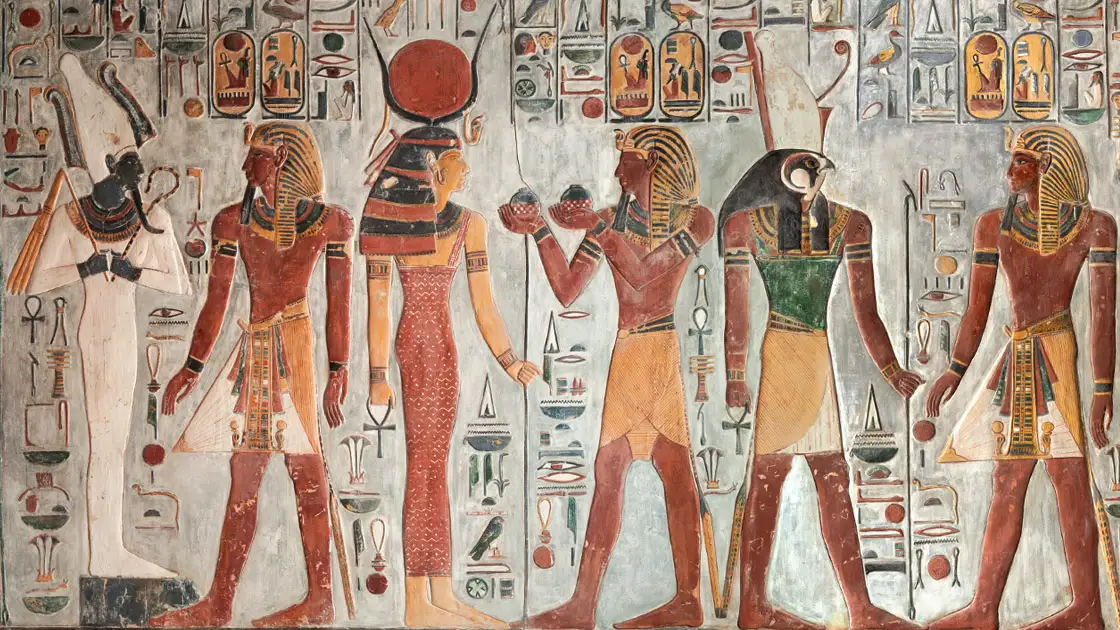
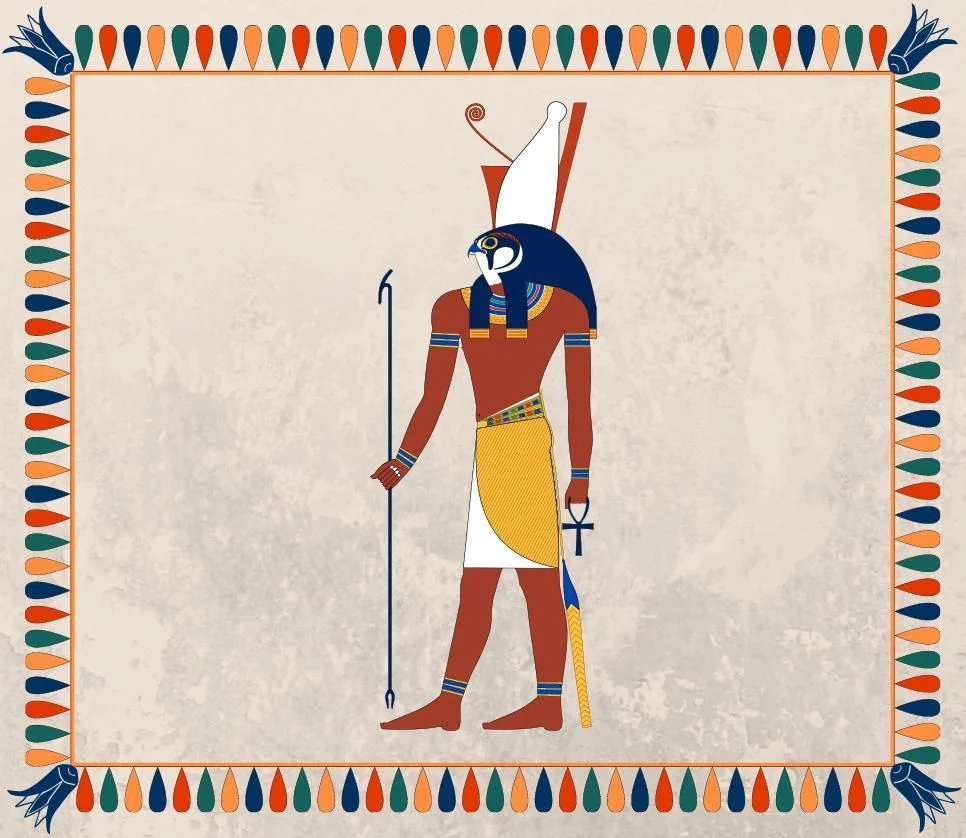
It was believed that pharaohs where the god Horus (The Son Of Ra)
This made them political and religious leaders, responsible for maintaining order and harmony in the kingdom.
The pharoahs would be equipped with a Crook and Flail, symbols of their authority and divine power.
The crook represented their role as a shepherd guiding their people, while the flail symbolized the fertility of the land and how it provided for the Egyptian people.
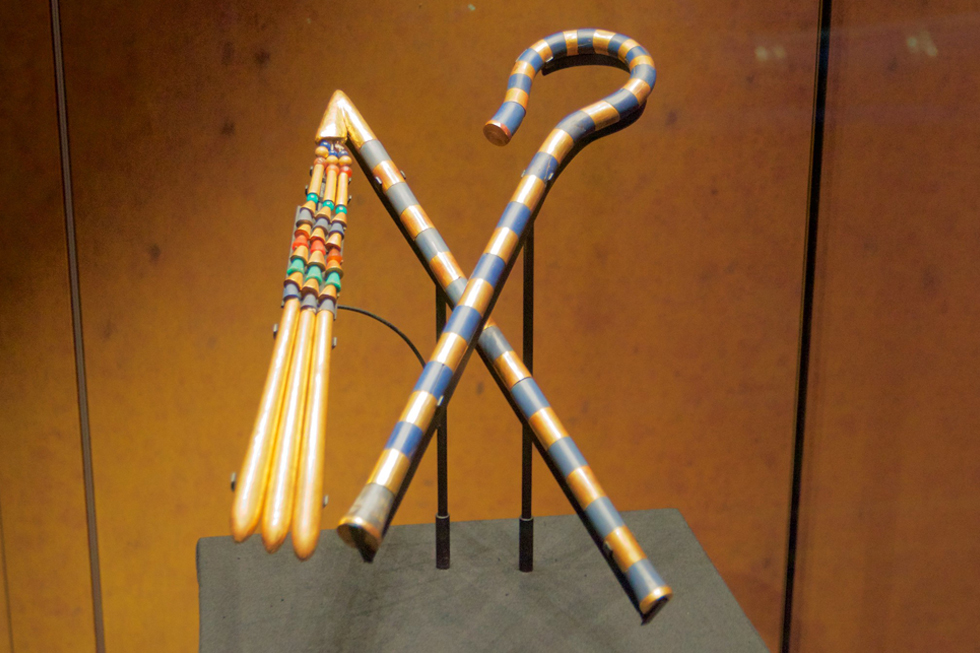
The Flail also reminded the pharoah of his duties, as it was believed that if they did a bad job then the River Nile would not rise, leading to famine and suffering.
Their Day To Day Life
Beginning Of The Day
The pharoah would wake up in the Royal Palace, which was staffed by countless servants and officials who attended to their every need.
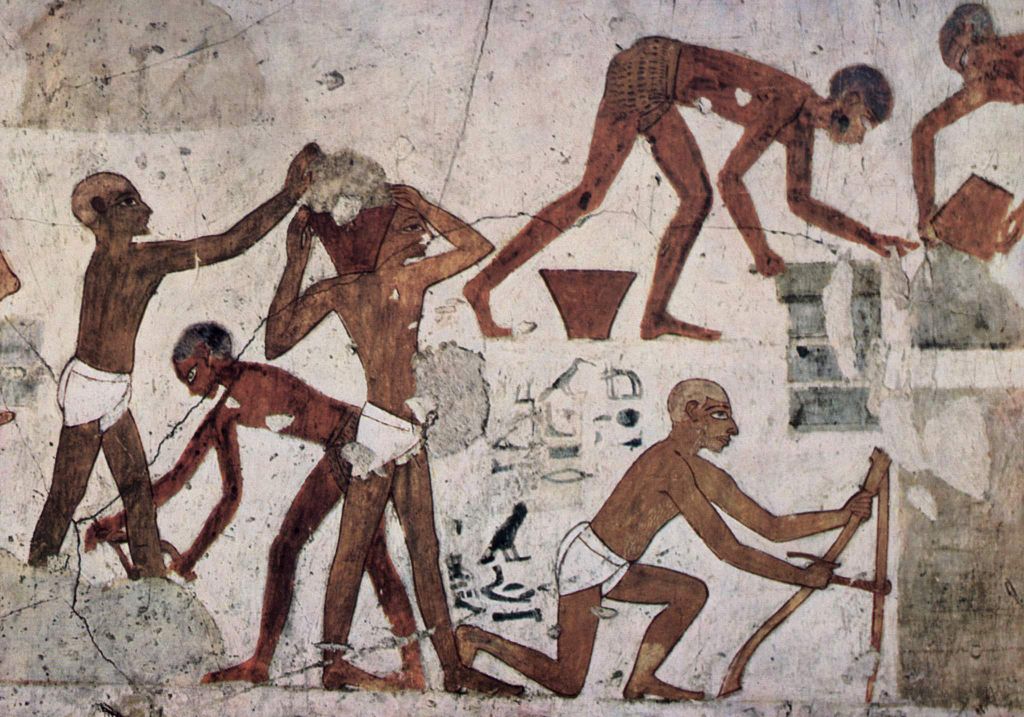
They where cleaned and dressed by these servants and then adorned by jewelry and gold, which symbolized their wealth and divine status.
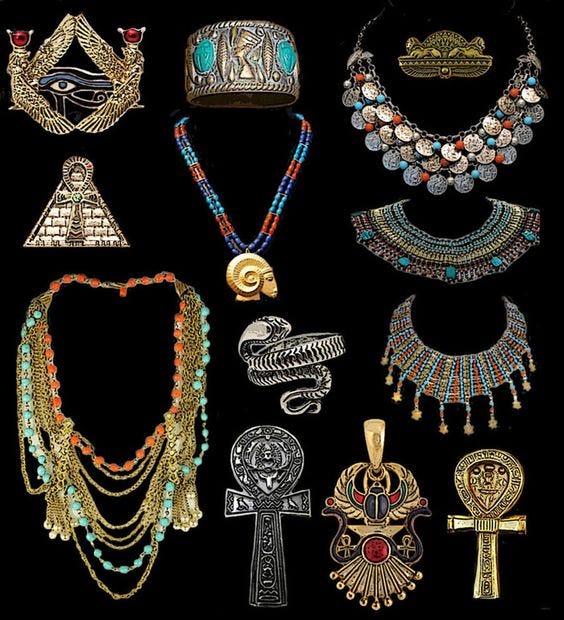
Firstly, the pharoah would attend the audience chamber for daily meetings, he met with generals and ambassadors from across the land.
Here, the pharoah would discuss matters of state, receive reports on the kingdom's affairs, and make important decisions regarding governance and diplomacy.
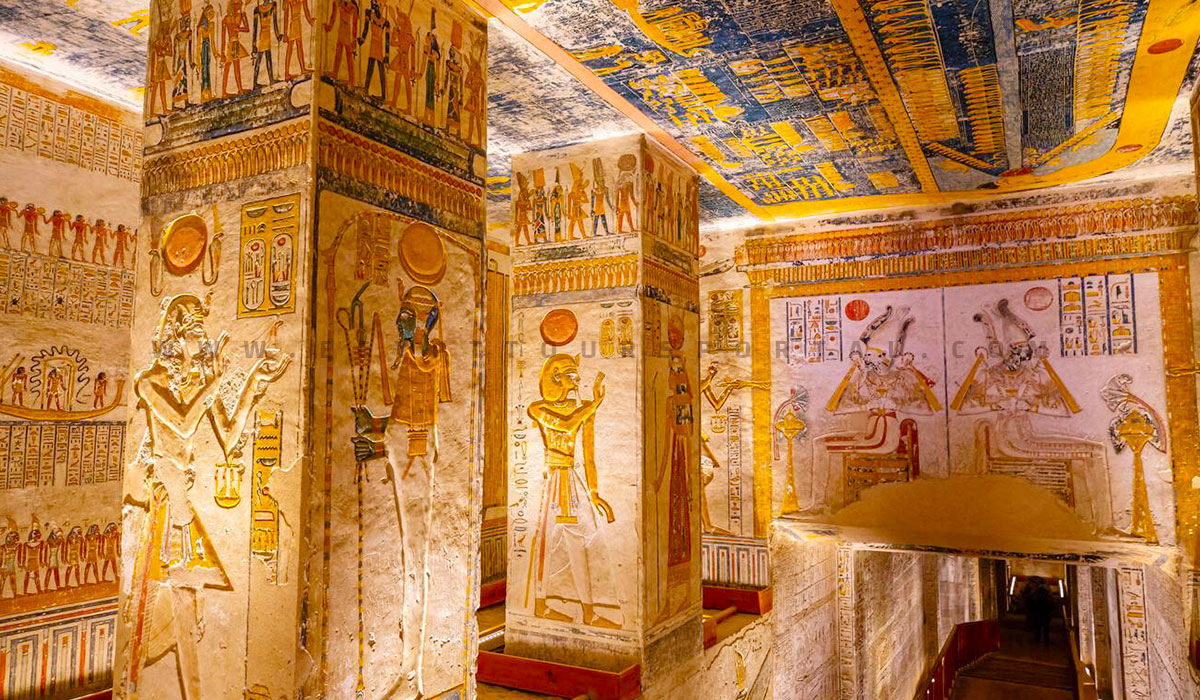
Once the meeting had concluded, the pharoah would visit the temple to pay tribute to Amun-Ra. This would be done by sacrificing a large bull, which was considered a sacred animal in ancient Egyptian culture.
The pharoah would then offer the bull's blood and meat to the gods as a symbol of their devotion and to ensure the continued prosperity of the kingdom.
If this was not done each day then it was believed that that the pharoah would lose their divine rights and the kingdom would fall into chaos and disorder.
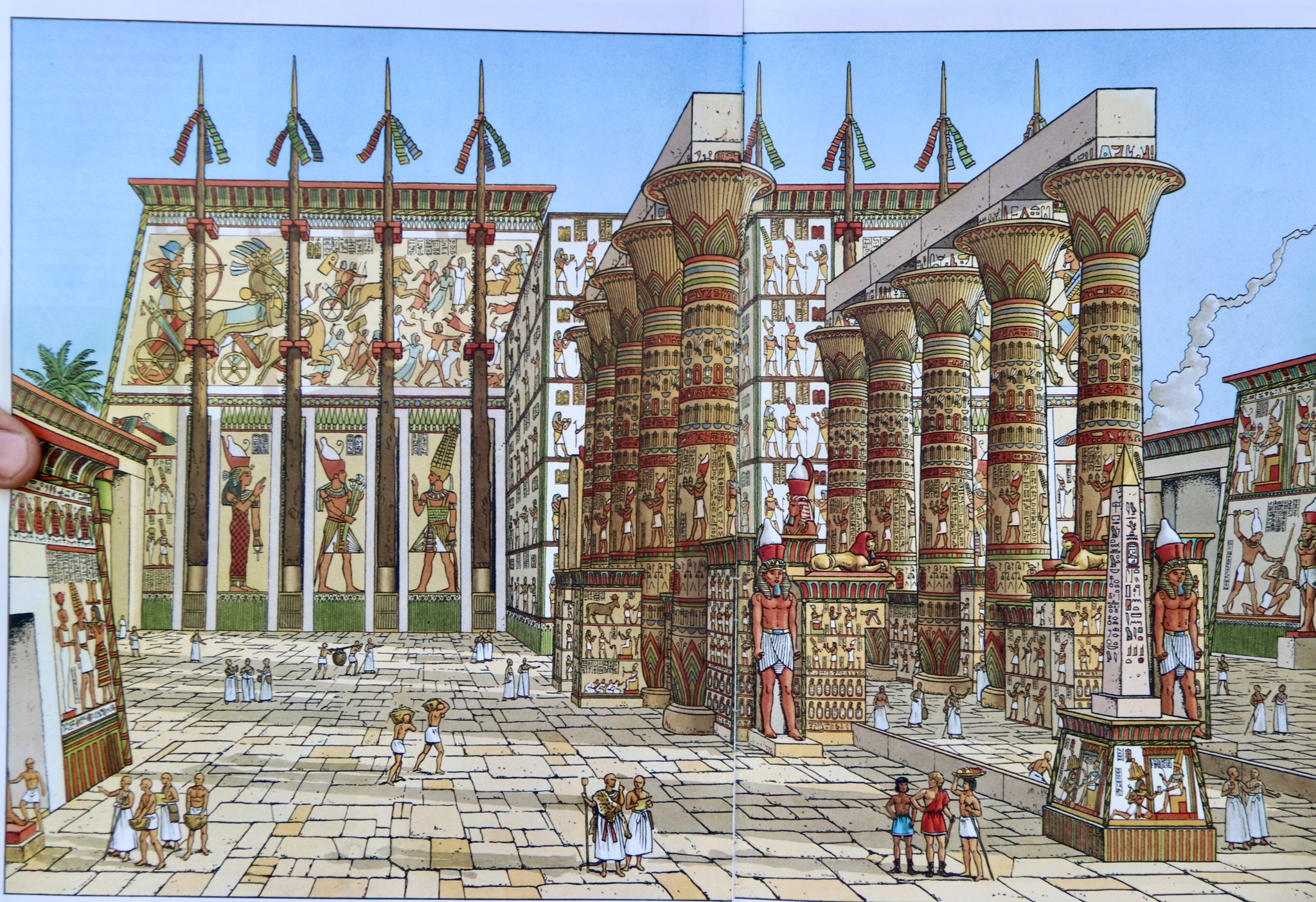
Afternoon Tasks
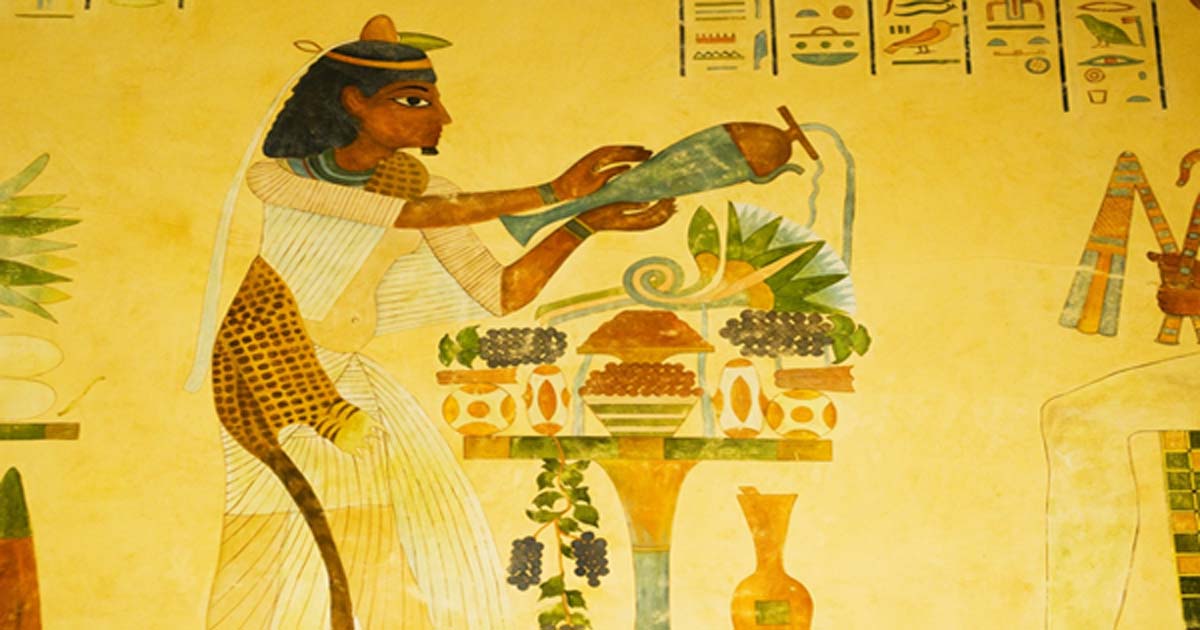
To start the afternoon the pharoah would have lunch. This feast usually consisted of bread, fish, fruits and vegetables, which were all staples of the ancient Egyptian diet.
The pharoah would eat with their family and close advisors, and the meal would often be accompanied by music and entertainment.
Once lunch was finished the pharoah would explore the city.
They would be carried around in a royal chariot as huge crowds of people would gather to see their ruler and show respect.
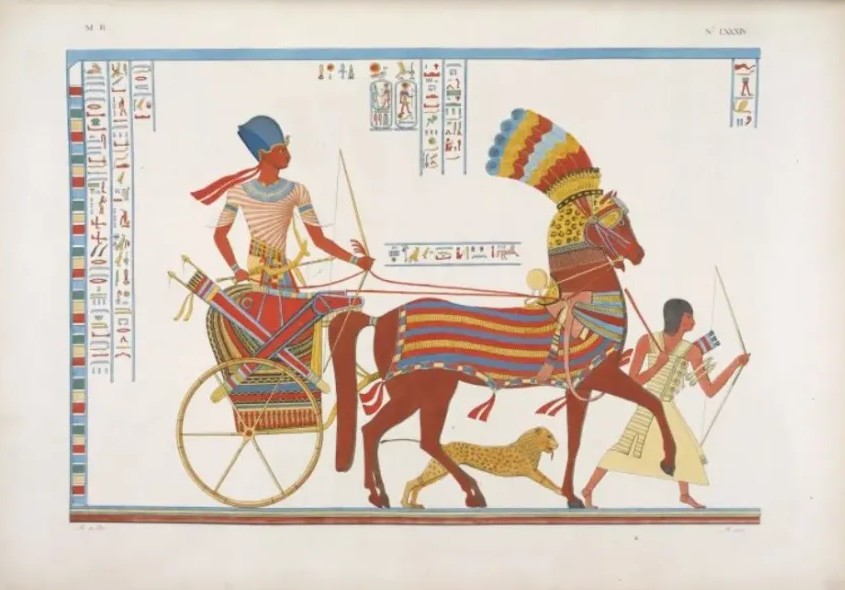
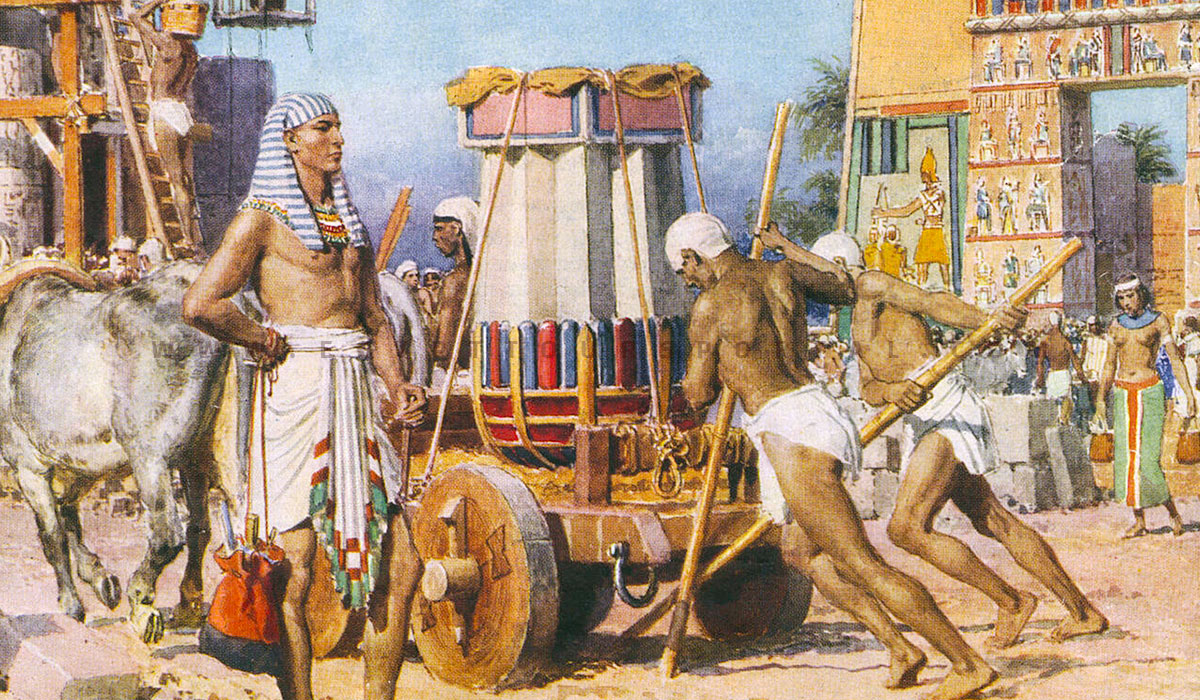
During their tour of the city the pharoah would make stops to tend to administrative duties, this included overseeing the construction of new buildings, inspecting the city's defenses, and meeting with local officials to discuss matters of governance and public welfare.
The pharoah's presence in the city was a powerful symbol of their authority and served to reinforce their divine status among the people.
Evening Rituals
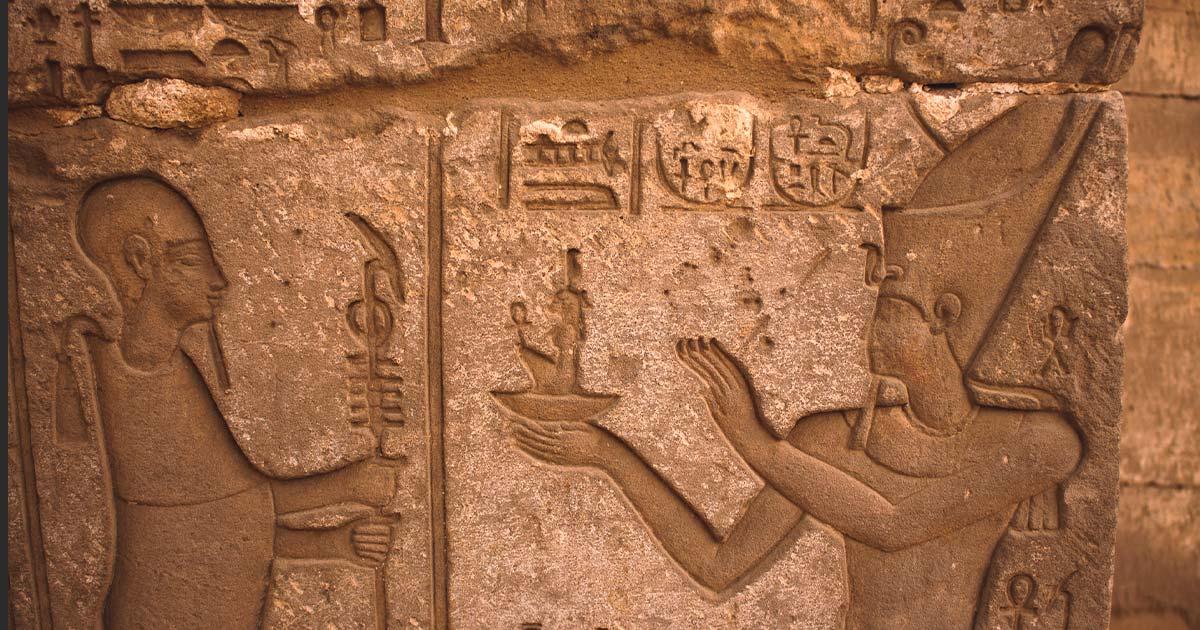
The final part of the pharoahs day was spent at evening rituals.
These ceremonies were held to mark the setting of the sun, it was a great way to unwind after a long day and to pay tribute to the gods.
The Death Of A Pharaoh
When a pharoah died, it was believed that their religious and political power would be passed on to the next pharoah, who was usually their son or close relative.
Their body would be mummified and buried in a grand tomb, which was often filled with treasures and offerings to ensure their safe passage to the afterlife.
The pharoah's tomb was also a symbol of their divine status and served as a testament to their power and legacy for generations to come.