Before the development of this portfolio I conducted a skills audit on myself. This included detailing all disciplines that I have experience in and assessing the hard and soft skills that I developed throughout the process of learning them. Some of these disciplines include web development, motion graphics, 3D modelling and graphic design.
Once this was completed I used the skills to research relevant job positions in the creative sector, putting a focus on web based job as that is the sector I most enjoyed learning. This led me to finding information on front-end development, which is the implementation of HTML, CSS, JS and other libraries to develop user interfaces. The use of these themes has been a key part of my studying as shown in my collection of work, as I develop these skills in my final university pieces I become more confident that this job is the correct one for me.

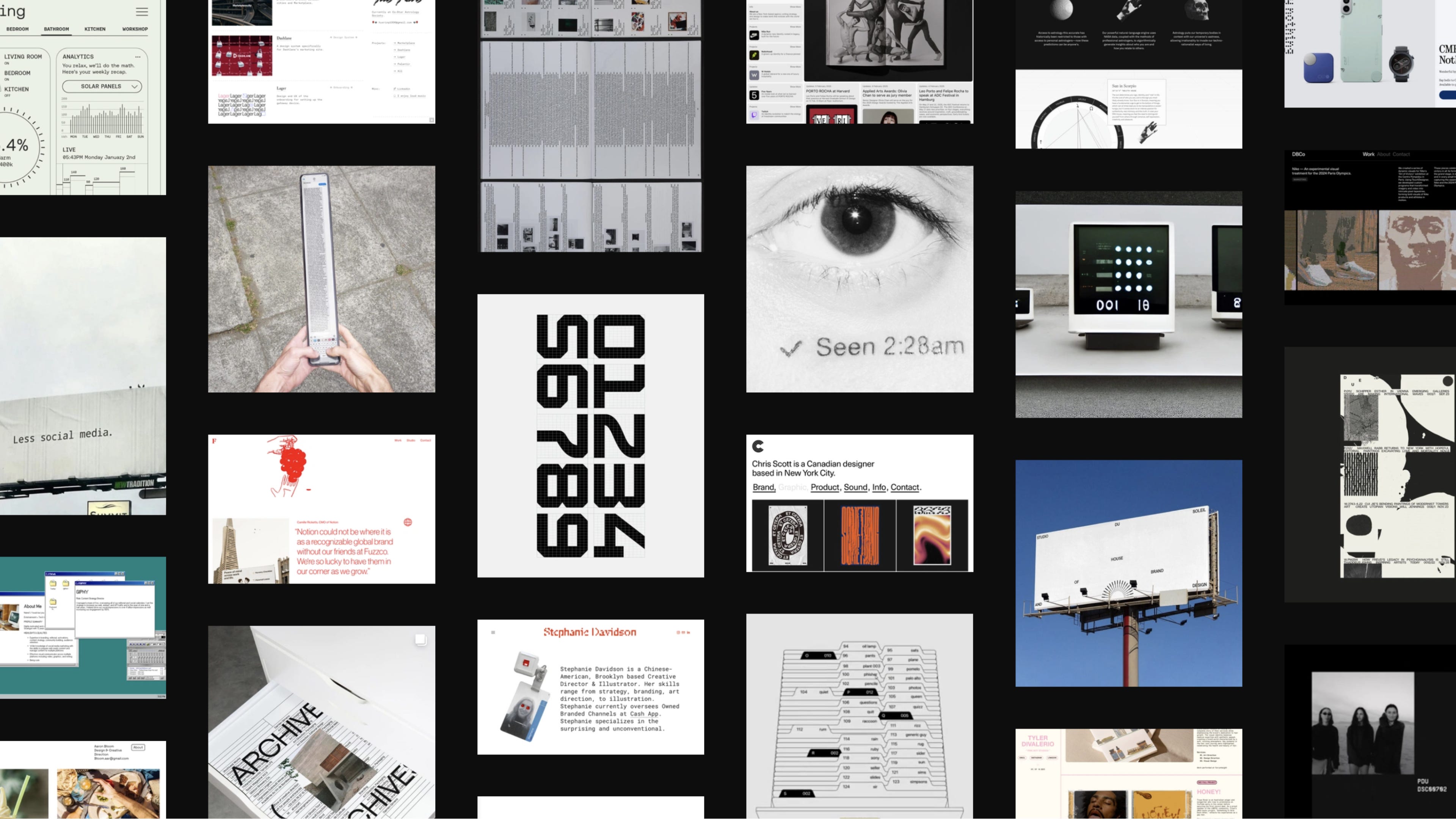
I spent this week doing a competitive analysis of existing professional portfolio sites to further aid the creation of this one.
Finally I did a critical reflection of the site, highlighting specific features from the portfolio that I would implement into the creation of my own helping me to create an accurate sitemap and wireframe for this site.
The elevator pitch is a 30 second introduction of who you are, what you do and what makes you valuable. This is an important aspect of portfolios as it is theorised that recruiters spend just 6 seconds looking at sites so capturing their attention in those few seconds is key. The pitch should be conversational whilst also being clear and engaging. My pitch is presented on the home page, ensuring it is the first thing a recruiter sees when they visit the site. It is also supported by a photo of myself to create a more personal connection with the recruiter and to make the pitch more memorable. I have also included a button that takes the recruiter to the about me page where they can find out more information about me and my background, this is to further engage them and encourage them to explore the site more.
My personal brand is built around the idea of creativity and innovation in the digital space. I aim to be a creative professional who is not only technically skilled but also able to think outside the box and solve problems in unique ways. My brand is characterised by a modern and sleek visual identity that reflects my passion for design and cimmitment to quality in a technologically advanced period.
Whilst creating this portfolio I have been conscious of the my online presence and how it reflects my personal brand. My online presence consists of this portfolio website and a personal Instagram account where I post regularly about what I get up to in my life. I have made sure to keep my Instagram content professional and in line with the values of my personal brand, sharing content that showcases my creativity and passion for quality. My Instagram account is carefully curated to highlight my passion for photography and exploring the world. I have also been mindful of the language I use and the way I present myself on social media, ensuring that it is consistent with the image I want to portray to potential employers.
It's no secret that the current job market for recent graduates is poor, characterised by high competition with lower vacancies and the rise of AI being implemented in entry-level positions. 'The Guardian' states the unemployment rate for recent graduates is around 6% due to a fall in vacancies of over 30%.
With this it's important to make sure my portfolio stands out from the crowd, with a unique and engaging design that captures the attention of recruiters. I have also made sure to include a wide range of work that showcases my skills and experience, making it clear to recruiters that I am a valuable asset to any company. By taking these steps, I hope to increase my chances of finding a job in the competitive job market.
As AI continues to advance, it is increasingly being integrated into creative media processes. From generating artwork to creating award winning movies (eg.'Thanksgiving Day') , AI tools are transforming the way creative professionals work.
While AI can be a powerful tool for enhancing creativity and efficiency, it also raises important questions about the role of human creativity in the creative process. Art in all forms is quintessential to relaying human emotion and providing insight into struggles many face around the world, these are stripped from AI Generated content as it cannot understand nor comprehend the human thought process leaving AI art feeling bland and uninteresting. This peddled the creation of the phrase 'AI Slop'. A term highlighting the current generations detest of AI based on its underlying problems.